
Mastering Color Selection

How can you create a perfect atmosphere
Have you ever walked into a room and instantly felt energized, relaxed, or even overwhelmed? That’s the power of color. More than just a visual element, color influences emotions, alter perceptions of space, and sets overall tone of a room.
This is why the art of color selection is an exciting and creative part of interior design. By understanding color psychology and considering the emotional impact of colors, the purpose of each room, lighting conditions, and how colors interact with architectural features, you can create a space that’s not only visually stunning but also feels just right.
Mastering Color Selection:
In our first series of blog posts, we’ll explore the art of color selection, sharing expert tips and practical advice to help you find the perfect palette to enhance your home or office.
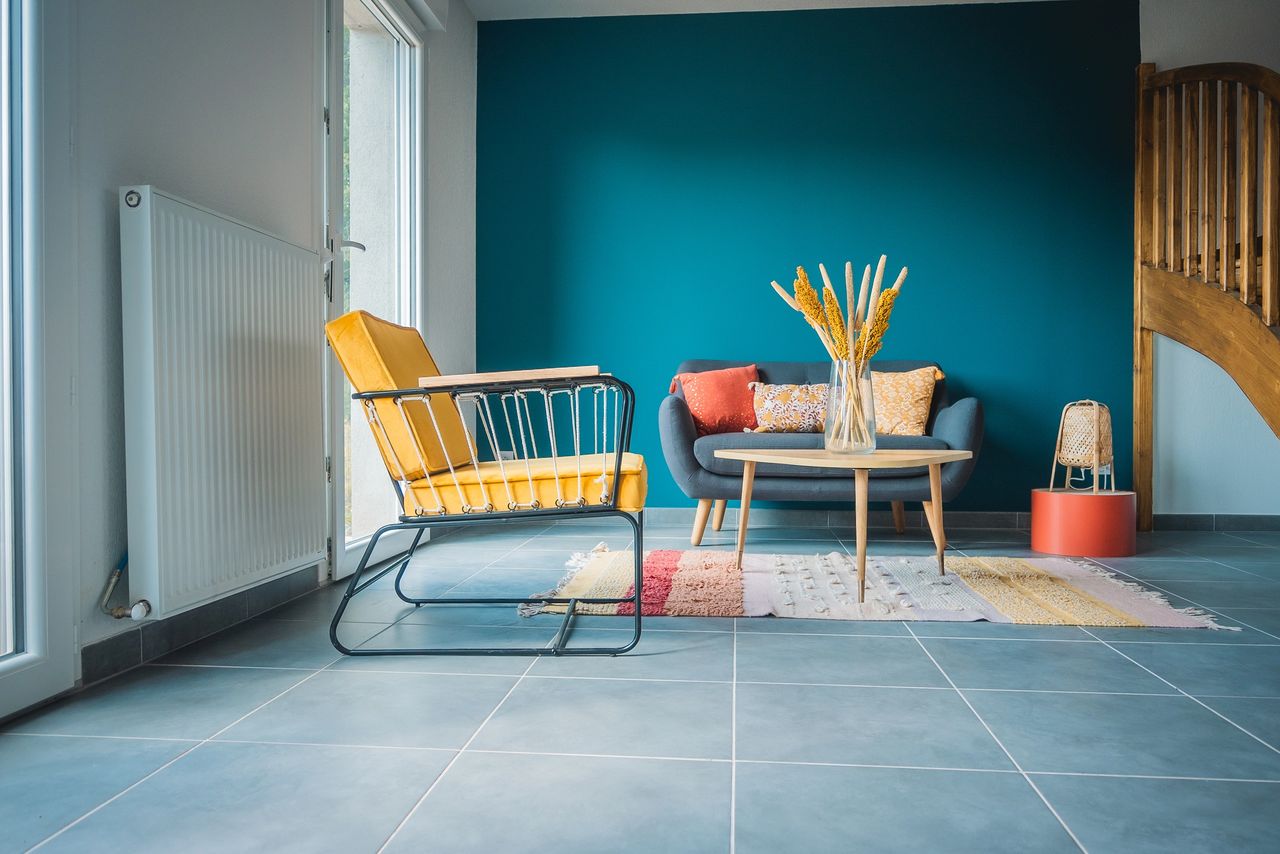
Colors Have Emotions
When it comes to interior design, color is one of the most impactful tools at your disposal. The right hues can completely transform a space, shaping its mood, feel, and overall vibe.
While working with an interior designer can certainly help, having a basic idea of what colors means and how they work together will allow you not only to better communicate your vision and bring your dream space to life – and may be even select your own perfect palette.
So, let’s start by exploring how colors evoke emotions and influence energy in a space.
The Emotional Impact of Colors
Every color has a story to tell, evoking emotions and setting the tone for a space. Colors brings its own personality to a room. Choosing the right hues isn’t just about aesthetics, its also about creating an atmosphere that feels just right.
Warm Colors: Energizing & Inviting
Reds, Oranges and Yellows – known as warm colors – radiate energy, warmth, and a sense of intimacy. They are perfect for social spaces like living rooms and kitchens, where you want to encourage activity and conversation.
-
Cool Colors: Calming & Restorative
Blues, Greens and Purples bring soothing and tranquil vibe, making them ideal for bedrooms, bathrooms and relaxation spaces. They can also create a sense of spaciousness.
-
Neutral Colors: Timeless & Versatile
Whites, Greys, Blacks and Browns give the clean, sophisticated, and timeless look. They are perfect as a base for layering in accent colors or achieving a minimalist aesthetic.
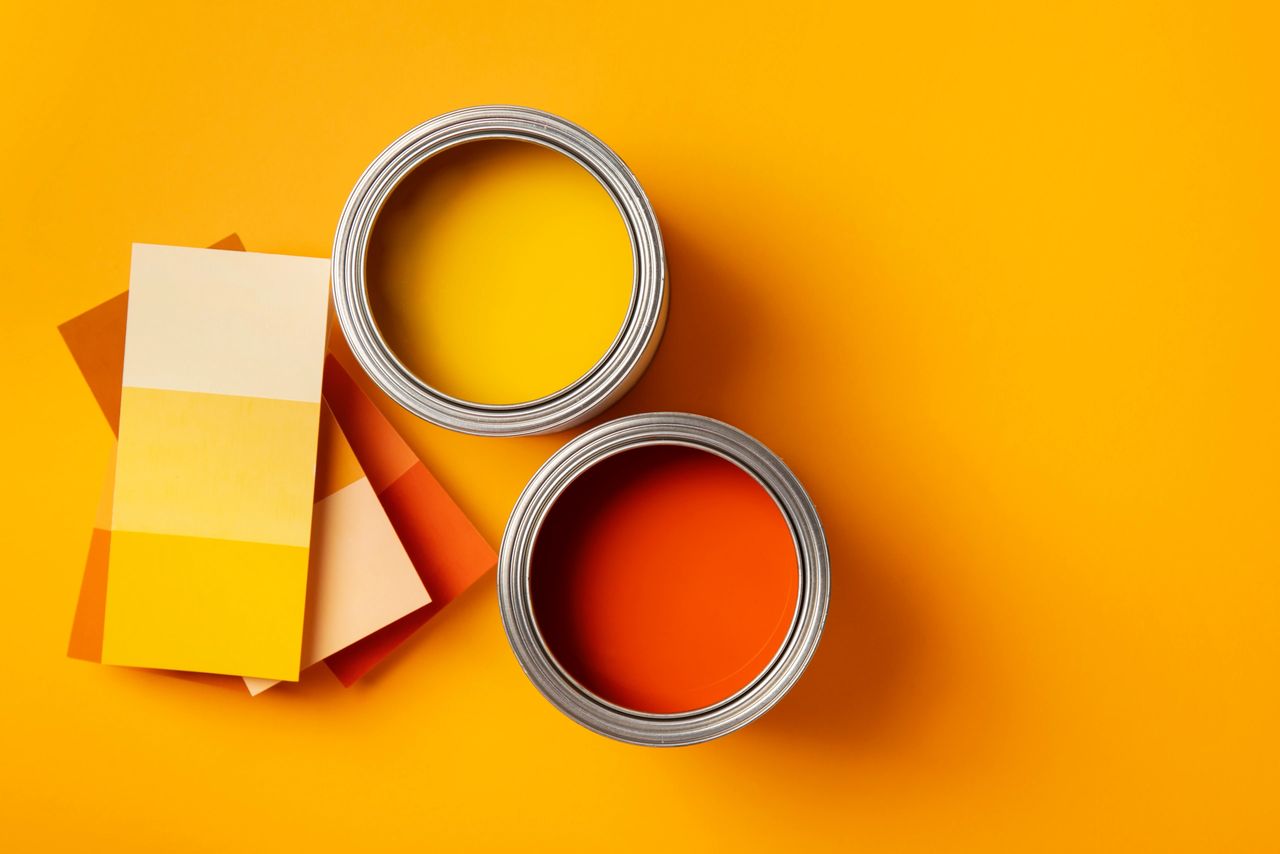
Finding the Right Balance
Understanding the emotional impact of colors helps you make informed decisions about how to match your interiors with your desired mood. Want a cozy, inviting space? Go for warm tones. Prefer a peaceful retreat? Cool shades are your best bet. If you love flexibility, then use a neutral base with pops of color.
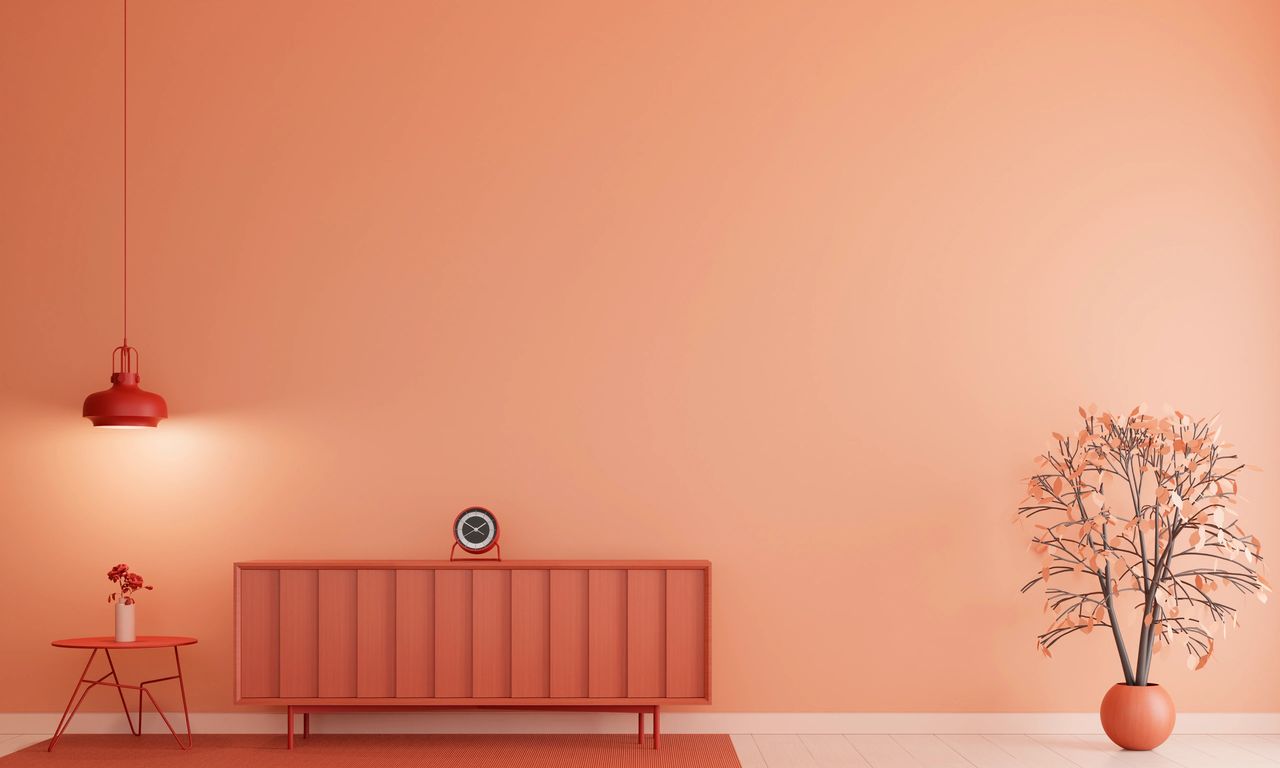
What’s Next?
Now that you know how colors triggers emotions, the next step is to align your color choices with the function of each room. In our next post, we’ll explore how to use colors strategically based on the purpose of a space, ensuring your interiors are both stylish and functional.
Stay tuned, and happy decorating!